The Jim Corbett National Park, located in the state of Uttarakhand in India, is known for its rich biodiversity and is one of the oldest national parks in the country. Inside the park, there are various accommodation options for visitors, including forest rest houses.
The forest rest houses in Jim Corbett are government-run accommodations situated within the park premises. These rest houses provide an opportunity for visitors to stay in close proximity to nature and wildlife. Staying at a forest rest house can enhance the overall experience of exploring the national park.
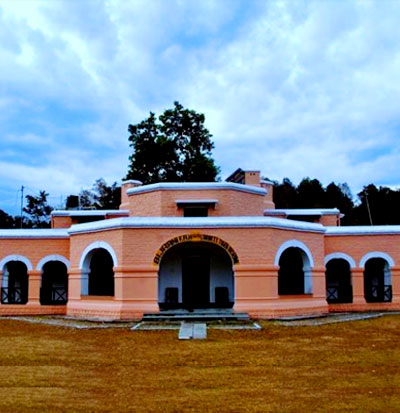
If you want to stay the night in Dhikala zone then Sultan Forest Rest House is a good option. Sultan Zone is just 6 km away from Dhangadhi Gate. There are no canteen facilities, you have to bring raw food from outside and you can order it by speaking to the undercook. In Sultan Forest Rest House, when you sit in the spring of the room at night time, you will feel a different kind of freshness and peace which makes your mind completely fresh. In Sultan Forest Rest House, 2 rooms have been made for a night stay and there are no dormitory facilities here. If you are a solitary person and do not like crowds, then Sultan Forest Rest House can be the best option for you.
Staying in the Sultan area also gives you an advantage in that you get more time for safari because the Dhikala zone is a very big zone and the Sultan forest rest house starts from Dhangadi gate. Sultan Forest Rest House has clean washrooms and clean rooms and you also get hot water in winter. Sultan Forest Rest House was built in very ancient times so it remains cool even in summers. Common wildlife can be seen around the campus during nighttime.
In this zone, Sultan Forest Rest House’s premises do not have any restaurant available but there you will get a cook with all the utensils, stove, and gas available in the kitchen. You have to provide raw materials to the cook and he will prepare the meals whatever you ask for.
Note:- You will only get vegetarian food inside the National Park because Non-Veg food is not allowed inside the Park.
Jim Corbett National Park, located in the Indian state of Uttarakhand, is renowned for its rich biodiversity and varied ecosystems. The park, established in 1936, was the first national park in India. It is named after Jim Corbett, a renowned conservationist, and is particularly famous for being a haven for Bengal tigers. Here's an overview of the flora and fauna found in Jim Corbett National Park:
Sal Forests: The park predominantly features sal (Shorea robusta) forests, which are common in the lower regions.
Mixed Deciduous Forests: Apart from sal, there are various other tree species like dhak, semal, khair, and sissoo.
Grasslands: The park also includes large expanses of grasslands, providing essential grazing areas for herbivores.
Riverine Vegetation: Along the Ramganga River and its tributaries, you can find riverine vegetation, including a variety of aquatic plants.
Bamboo Groves: Bamboo groves are scattered across the park and provide an additional habitat for several species.
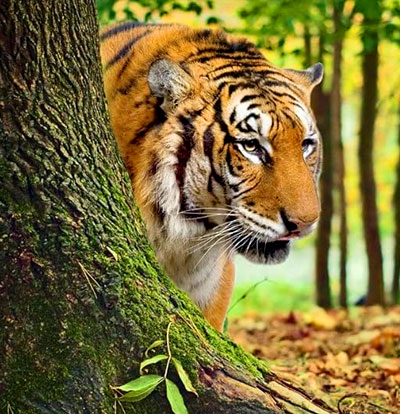
Bengal Tigers: Jim Corbett is famous for its Bengal tiger population, and the park is one of the best places in India to spot these majestic creatures.
Asian Elephants: The park is home to a significant population of Asian elephants.
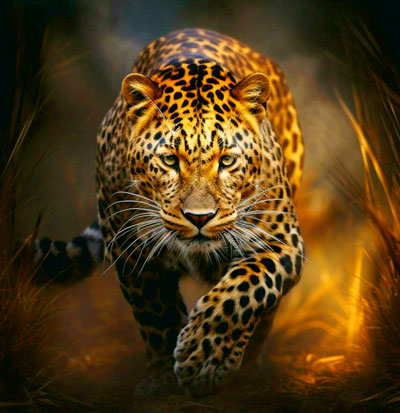
Leopards: Leopards are another big cat species found in the park.
Sloth Bears: Jim Corbett National Park is known for its population of sloth bears.
Himalayan Black Bears: These bears are also found in the higher elevations of the park.
Indian Gray Mongoose: A variety of smaller mammals, including the Indian gray mongoose, can be found in the park.
Crocodiles: The Ramganga River supports a population of crocodiles, including the mugger crocodile.
Birds: Jim Corbett is a paradise for birdwatchers with over 600 species of birds, including the crested serpent eagle, changeable hawk-eagle, great hornbill, and many others.
Reptiles: Apart from crocodiles, the park is home to various species of snakes and lizards.
Fish: The rivers and streams within the park harbor a diverse range of fish species.
Jim Corbett National Park's diverse ecosystem and varied topography contribute to the wide array of flora and fauna, making it a prime destination for nature enthusiasts and wildlife lovers
Guests can reach Sultan Forest area via Dhangarhi gate which is 20 km from Ramnagar. One can enter the Dhikala range via Dhangarhi Gate and the entry timing to the Dhikala range from this gate is 10:00 AM to 4:00 PM.
Booking Of Sultan Forest Rest House:- Dhikala Zone is open for tourists from 15th November to 15th June. But remains inaccessible during the Monsoon season.
Open & Close Timing of Dhikala Zone:- Sultan Forest Rest House can be booked online with 45 days advance notice.



 Jim Corbett Biography