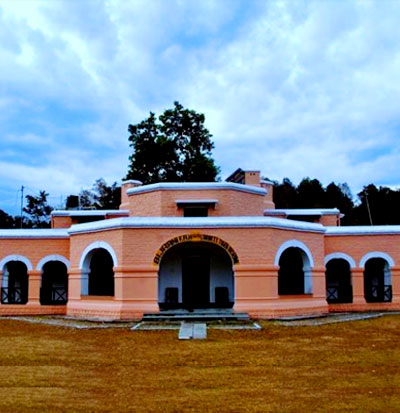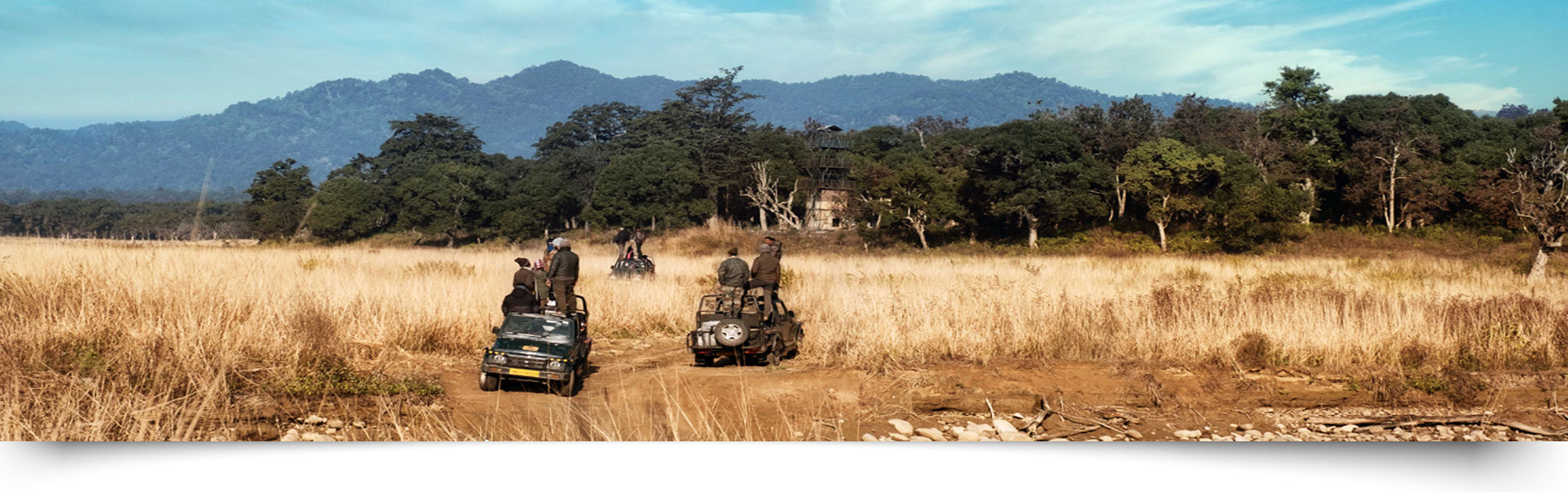
Sarapduli Forest Rest House is located on the way to the Dhikala Forest area or Corbett Tiger Reserve from Dhangari gate 18 km inside the forest. It is the most centrally located rest house in the Dhikala tourism zone with proximity to the Ramganga River. Sarapduli forest rest house is surrounded by mixed forest and river beds making it one of the best-suited forest rest houses for wildlife viewing in Dhikala zone. Sarapduli is also the best place in case someone wants to spot crocodiles or gharial because of its proximity to sand banks at Ramganga River where these retiles mostly bask in the sun.
It provides a kitchen facility with a room attendant. Visitors have to bring the raw ration with them which can be cooked in the kitchen facility. Sarapduli forest rest house is covered with solar wire fencing for the safety of its visitors. There is no electricity in the Sarapduli forest rest house and limited backup is provided through solar panels/invertors. Both the rooms at Sarapduli Forest Rest House have attached spacious washrooms with running water facilities with a western toilet and wash basin. Even the dormitory has a separate washroom with entry from outside. Both the rooms at Sarapduli forest rest house are basic and there are no TVs or ACs. Though rooms are big and well ventilated.
Sarapduli Forest Guest House has 2 standard rooms & 1 dormitory of 3 beds.
In this Sarapduli Forest area’s premises do not have any restaurants available but there you will get a cook with all the utensils, stoves, and gas available in the kitchen. You have to provide raw materials to the cook and he will prepare the meals whatever you ask for.
Note:- You will only get vegetarian food inside the National Park because Non-Veg food is not allowed inside the Park.
Jim Corbett National Park, located in the Indian state of Uttarakhand, is renowned for its rich biodiversity and varied ecosystems. The park, established in 1936, was the first national park in India. It is named after Jim Corbett, a renowned conservationist, and is particularly famous for being a haven for Bengal tigers. Here's an overview of the flora and fauna found in Jim Corbett National Park:
Sal Forests: The park predominantly features sal (Shorea robusta) forests, which are common in the lower regions.
Mixed Deciduous Forests: Apart from sal, there are various other tree species like dhak, semal, khair, and sissoo.
Grasslands: The park also includes large expanses of grasslands, providing essential grazing areas for herbivores.
Riverine Vegetation: Along the Ramganga River and its tributaries, you can find riverine vegetation, including a variety of aquatic plants.
Bamboo Groves: Bamboo groves are scattered across the park and provide an additional habitat for several species.
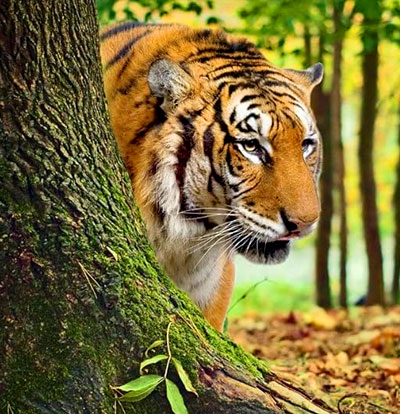
Bengal Tigers: Jim Corbett is famous for its Bengal tiger population, and the park is one of the best places in India to spot these majestic creatures.
Asian Elephants: The park is home to a significant population of Asian elephants.
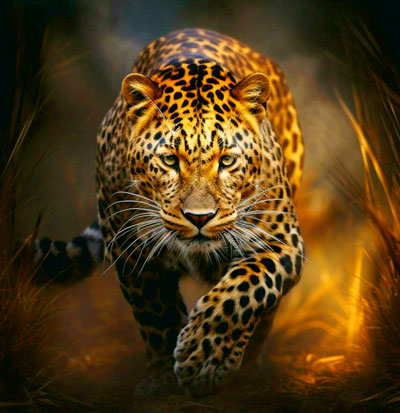
Leopards: Leopards are another big cat species found in the park.
Sloth Bears: Jim Corbett National Park is known for its population of sloth bears.
Himalayan Black Bears: These bears are also found in the higher elevations of the park.
Indian Gray Mongoose: A variety of smaller mammals, including the Indian gray mongoose, can be found in the park.
Crocodiles: The Ramganga River supports a population of crocodiles, including the mugger crocodile.
Birds: Jim Corbett is a paradise for birdwatchers with over 600 species of birds, including the crested serpent eagle, changeable hawk-eagle, great hornbill, and many others.
Reptiles: Apart from crocodiles, the park is home to various species of snakes and lizards.
Fish: The rivers and streams within the park harbor a diverse range of fish species.
Jim Corbett National Park's diverse ecosystem and varied topography contribute to the wide array of flora and fauna, making it a prime destination for nature enthusiasts and wildlife lovers
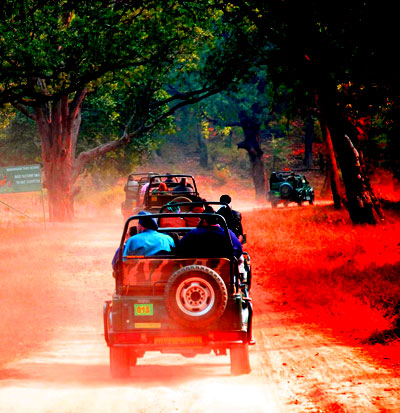
Sarapduli guest house is situated deep inside the Jim Corbett National Park. It is 13 km away from Dhikala Tourism Zone. and the entry timing to the Dhikala range from this gate is 10:00 AM to 4:00 PM.
Booking Of Sultan Forest Rest House:- Sarapduli Forest Rest House can be booked online with 45 days advance notice.
Open & Close Timing of Dhikala Zone:- Dhikala Zone is open for tourists from 15th November to 15th June. But remains inaccessible during the Monsoon season.



 Jim Corbett Biography