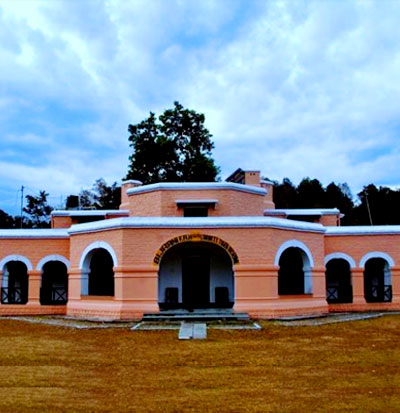
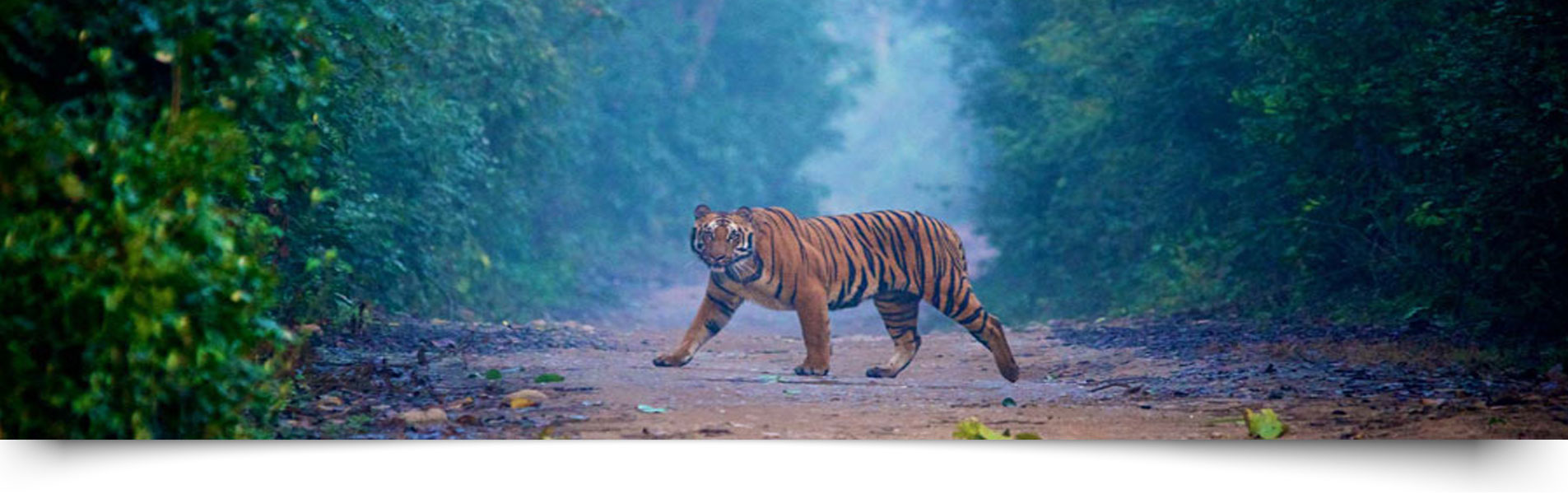
The Dhangarhi Museum is a prominent part of Jim Corbett National Park, located near the Dhangarhi Gate, which is the entry point to the park's famous Dhikala Zone. The museum is an excellent spot for visitors to explore before heading into the park, as it offers detailed insights into the park's wildlife, ecology, and the legacy of Jim Corbett, after whom the park is named.
The Dhangarhi Gate and Museum is one of the main entry points to Jim Corbett National Park in Uttarakhand, India. The gate serves as an access point for tourists heading into the park, while the adjacent museum offers insight into the history, wildlife, and legacy of the park, especially its connection to the legendary British hunter-turned-conservationist, Jim Corbett.
Key Features of Dhangarhi Museum:
1. Wildlife Exhibits: The museum showcases several exhibits of the park's rich wildlife, including preserved specimens of animals that are native to the region, like tigers, leopards, elephants, and crocodiles. The taxidermied animals, skulls, and bones give visitors a closer look at the fauna that roams within the park.
2. Jim Corbett’s Legacy: A significant portion of the museum is dedicated to Jim Corbett, the British hunter who became a conservationist and helped establish the national park. The museum houses artifacts related to Corbett, including his photographs, personal items, and weaponry, which provide insight into his life and his work in saving the endangered wildlife of India.
3. Park's History and Ecology: The museum also explains the formation and geography of the park, offering maps, models, and displays that showcase the diverse landscapes of Jim Corbett National Park, from its dense forests to its rivers and grasslands. Visitors can learn about the different ecological zones within the park and the specific species that inhabit each area.
4. Conservation Efforts: Another major focus of the museum is the park's conservation projects, particularly its role in the Project Tiger initiative. The museum highlights the importance of preserving the tiger population and the efforts that have been made over the years to protect the habitat and species in the park.
5. Photographic and Visual Displays: The walls of the museum are adorned with photographs of animals and scenic views of the park, providing a glimpse into the wildlife and natural beauty that visitors may experience during their safari. These visual displays, coupled with informative panels, make it a very educational experience.
Importance of Visiting the Museum: Visiting the Dhangarhi Museum before entering the park can enhance the overall experience, as it educates tourists on the importance of the region’s ecosystem, the challenges in wildlife conservation, and the heroic efforts of Jim Corbett. It’s particularly useful for first-time visitors as it sets the context for the adventure they are about to embark on.
Location and Access:- Location: Near Ramnagar, at the Dhangarhi Gate, which is one of the main entry points to the park.
- Timing: The museum is open during park hours, generally from 9 AM to 5 PM, though timings may change seasonally.
Conclusion: The Dhangarhi Museum is not only a place of learning but also a window into the magnificent biodiversity of Jim Corbett National Park. It helps visitors appreciate the significance of the park's natural beauty and the urgent need for wildlife conservation efforts in India.



 Jim Corbett Biography